
- Introduction
- Is It Normal for Cats to Drool?
- Common Reasons for Excessive Drooling in Cats But Acting Normal
- Medical Causes of Excessive Drooling in Cats
- Male vs Female Cat Drooling Excessively but Acting Normal
- When Cat Drooling Is an Emergency
- What to Do If Your Cat Is Drooling Excessively
- How Veterinarians Diagnose Excessive Drooling
- How to Prevent Excessive Drooling in Cats
- Conclusion
- FAQs About Cat Drooling
Introduction
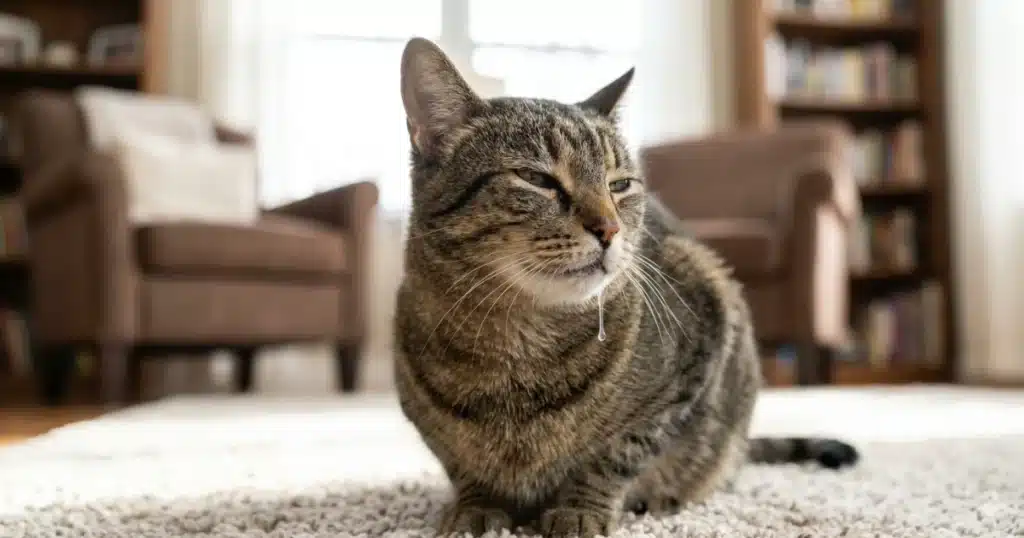
Cat drooling can be normal in some situations, especially when a cat is relaxed, happy, or purring. Many pet owners notice a few drops of saliva when their cat is enjoying petting or cuddling—and that’s usually nothing to worry about.
But excessive drooling can create confusion and concern, especially when your cat seems perfectly fine otherwise. You might think, “My cat is drooling excessively but acting normal—should I be worried?”
This is actually a common concern among cat owners, and the causes can range from harmless behavioral triggers to serious medical problems. Understanding the difference is key to protecting your cat’s health.
Is It Normal for Cats to Drool?
Cat drooling is not always a sign of illness. In many cases, it is a natural response linked to emotions, physical sensations, or mild triggers. However, there is a clear difference between normal and abnormal drooling.
Normal Cat Drooling vs Abnormal Drooling
Some cats naturally drool more than others. Genetics, breed traits, and personality can play a role.
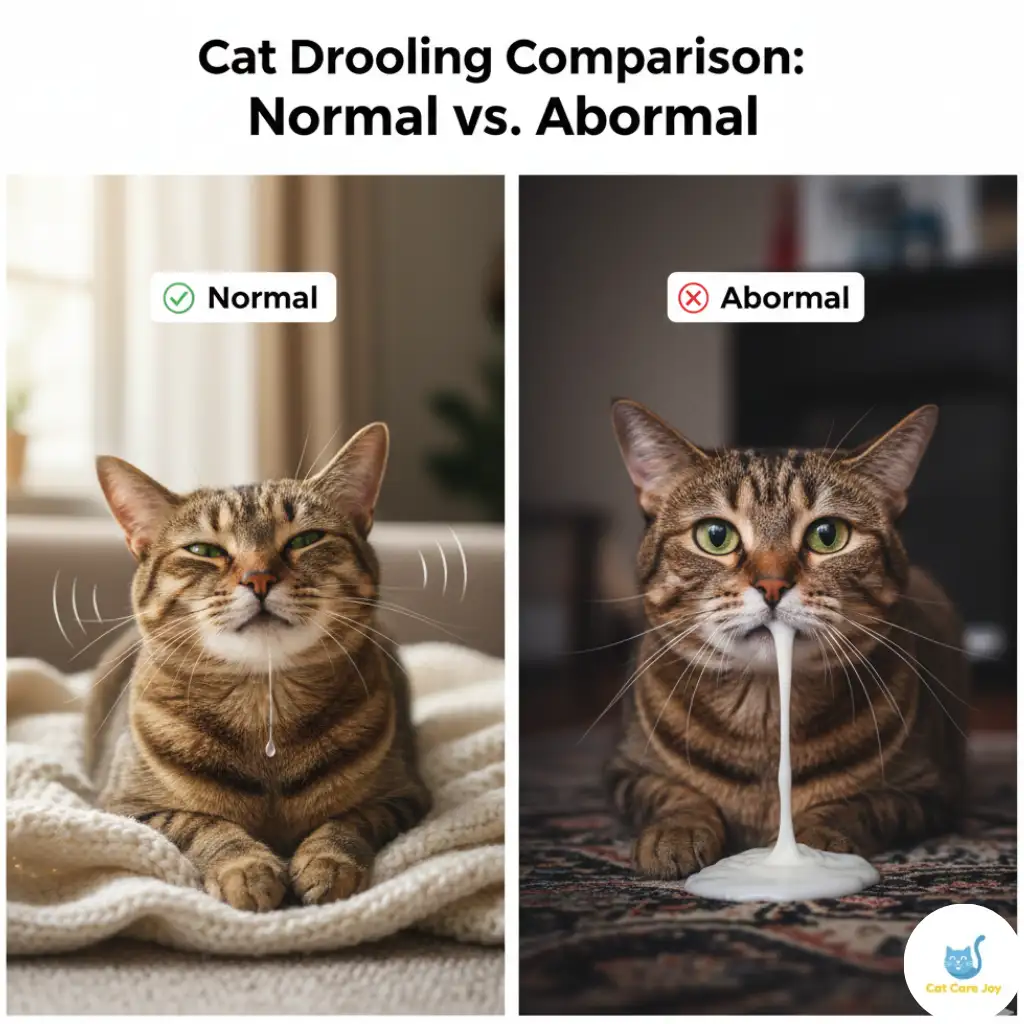
Normal drooling usually:
- Happens occasionally
- Occurs during petting, purring, or kneading
- Stops quickly on its own
- Has no bad smell or blood
- Does not affect appetite or behavior
Abnormal drooling often:
- Happens frequently or continuously
- Drips heavily from the mouth
- Smells foul or looks thick, foamy, or bloody
- Comes with symptoms like vomiting, pain, or lethargy
If your cat is drooling excessively but acting normal, it may still be an early sign of an underlying issue that needs monitoring.
Key takeaway: Occasional drooling is normal, but persistent excessive drooling is not.
Why Some Cats Drool When Relaxed or Purring
Many cats drool when they feel extremely comfortable. This behavior is similar to how kittens nurse and knead their mother’s belly.
Common triggers include:
- Being petted or cuddled
- Sitting on your lap
- Purring loudly
- Kneading blankets or soft surfaces
- Falling asleep while relaxed
Experts believe this drooling is linked to parasympathetic nervous system activation, which controls relaxation and salivation. Some vets call this “happy drooling.”
Key takeaway: Drooling during petting or purring is often a sign of happiness, not illness.
Common Reasons for Excessive Drooling in Cats But Acting Normal
Sometimes a cat drools a lot but still plays, eats, and behaves normally. These causes are often mild but should still be monitored.
Relaxation and Happiness Drooling
Some cats are “heavy droolers” when content. This can look excessive but is harmless.
You may notice:
- Drool dripping during cuddles
- Wet fur around the mouth or chest
- Drooling while kneading
This is common in affectionate breeds like Maine Coons and Ragdolls.
Key takeaway: Happy drooling is normal if your cat shows no other symptoms.
Food Excitement and Nausea
Cats can drool when they smell food or feel nauseous.
Possible triggers:
- Strong-smelling treats
- New food
- Motion sickness (car rides)
- Mild stomach upset
Excessive salivation before vomiting is common in cats.
Key takeaway: Drooling linked to food or nausea usually resolves quickly but should be monitored.
Medication Side Effects
Certain medications cause increased salivation.
Common examples:
- Oral antibiotics
- Deworming medicine
- Bitter liquid meds
- Flea treatments accidentally ingested
If drooling starts right after giving medicine, it is likely a temporary side effect.
Key takeaway: Medication-induced drooling is usually temporary but mention it to your vet.
Teething in Kittens
Kittens drool when their baby teeth fall out and adult teeth erupt.
Signs include:
- Chewing objects
- Mild gum irritation
- Increased saliva
- Playful but slightly irritable behavior
This phase usually occurs between 3–6 months of age.
Key takeaway: Teething drooling is normal in kittens and resolves naturally.
Stress or Anxiety
Stress can trigger excessive drooling even if your cat seems calm.
Common stressors:
- Vet visits
- Travel
- New pets or people
- Loud noises
- Changes in routine
Stress drooling may be accompanied by hiding, grooming, or vocalizing.
Key takeaway: Emotional stress can cause excessive drooling, even when a cat appears normal.
Medical Causes of Excessive Drooling in Cats
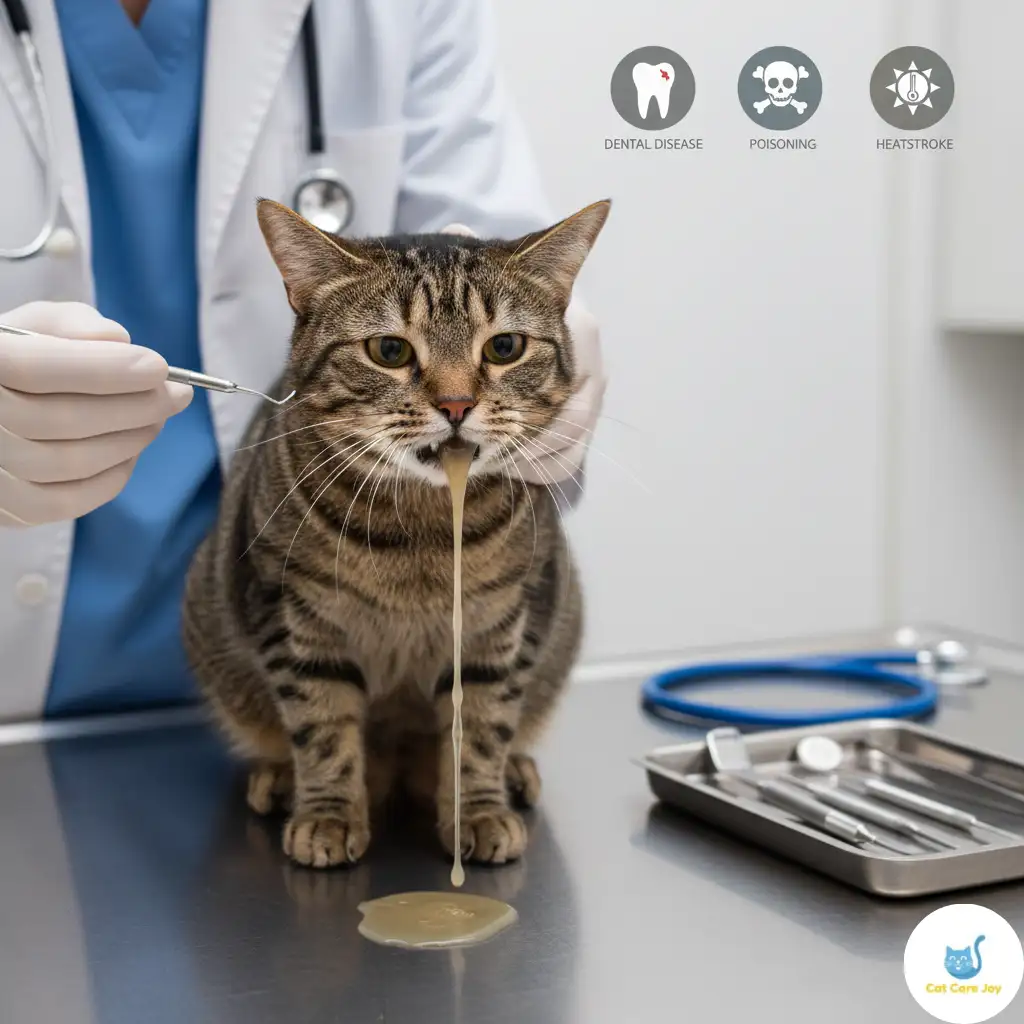
Excessive drooling in cats can sometimes signal serious underlying medical problems, even if your cat seems active and normal.
Dental Disease and Oral Pain
Dental problems are one of the most common causes of excessive drooling in cats. Pain in the mouth triggers extra saliva production.
Common dental issues include:
- Periodontal disease
- Tooth decay
- Broken or loose teeth
- Tartar and plaque buildup
Signs to watch:
- Drooling with bad breath
- Difficulty eating or chewing on one side
- Pawing at the mouth
Vets report that more than 70% of adult cats develop dental disease, making this a top cause of chronic drooling.
Key takeaway: Dental pain is a leading reason why a cat drools excessively but acts normal.
Gum Infections and Mouth Ulcers
Inflamed gums and ulcers can cause intense drooling due to irritation and pain.
Possible causes:
- Gingivitis
- Stomatitis
- Viral infections (like feline calicivirus)
- Immune system disorders
Symptoms:
- Red or swollen gums
- Bleeding
- Loss of appetite
- Bad breath
Key takeaway: Gum infections often cause excessive drooling and need veterinary treatment.
Foreign Objects Stuck in the Mouth
Cats love chewing, and small objects can get stuck in their mouth or throat.
Common objects include:
- String or thread
- Small bones
- Grass or plant material
- Toy pieces
Signs:
- Sudden drooling
- Pawing at the mouth
- Gagging or coughing
Key takeaway: A lodged object can cause sudden excessive drooling and requires immediate attention.
Toxin or Poison Exposure
Drooling can be an early sign of poisoning or toxin ingestion.
Common toxins for cats:
- Household cleaners
- Certain plants (lilies, philodendron)
- Insecticides and flea products
- Human medications
Symptoms:
- Excessive salivation
- Vomiting or diarrhea
- Tremors or seizures
This is a medical emergency—contact a vet immediately.
Key takeaway: Poison exposure can cause sudden drooling and is life-threatening.
Upper Respiratory Infections
Respiratory infections can cause drooling due to mouth breathing and throat irritation.
Common causes:
- Feline herpesvirus
- Calicivirus
- Bacterial infections
Symptoms:
- Sneezing
- Nasal discharge
- Mouth breathing
- Drooling
Key takeaway: Respiratory infections can increase saliva production, even if your cat acts normal.
Heatstroke
Cats can drool excessively when overheated because panting and saliva help cool the body.
Risk factors:
- Hot weather
- Poor ventilation
- Being trapped in a car or closed room
Warning signs:
- Panting
- Weakness
- Bright red gums
- Collapse
Key takeaway: Heatstroke causes excessive drooling and requires emergency care.
Trauma or Injuries
Injuries to the mouth, jaw, or head can cause drooling due to pain or nerve damage.
Common causes:
- Falls
- Cat fights
- Accidents
Symptoms:
- Swelling
- Bleeding
- Difficulty closing the mouth
Key takeaway: Trauma-related drooling should always be checked by a veterinarian.
Rabies (Rare but Serious)
Rabies is rare in vaccinated indoor cats but is a fatal viral disease that causes drooling due to paralysis and neurological damage.
Signs include:
- Aggression or behavior changes
- Difficulty swallowing
- Excessive drooling or foaming
Always vaccinate your cat and avoid contact with wild animals.
Male vs Female Cat Drooling Excessively but Acting Normal
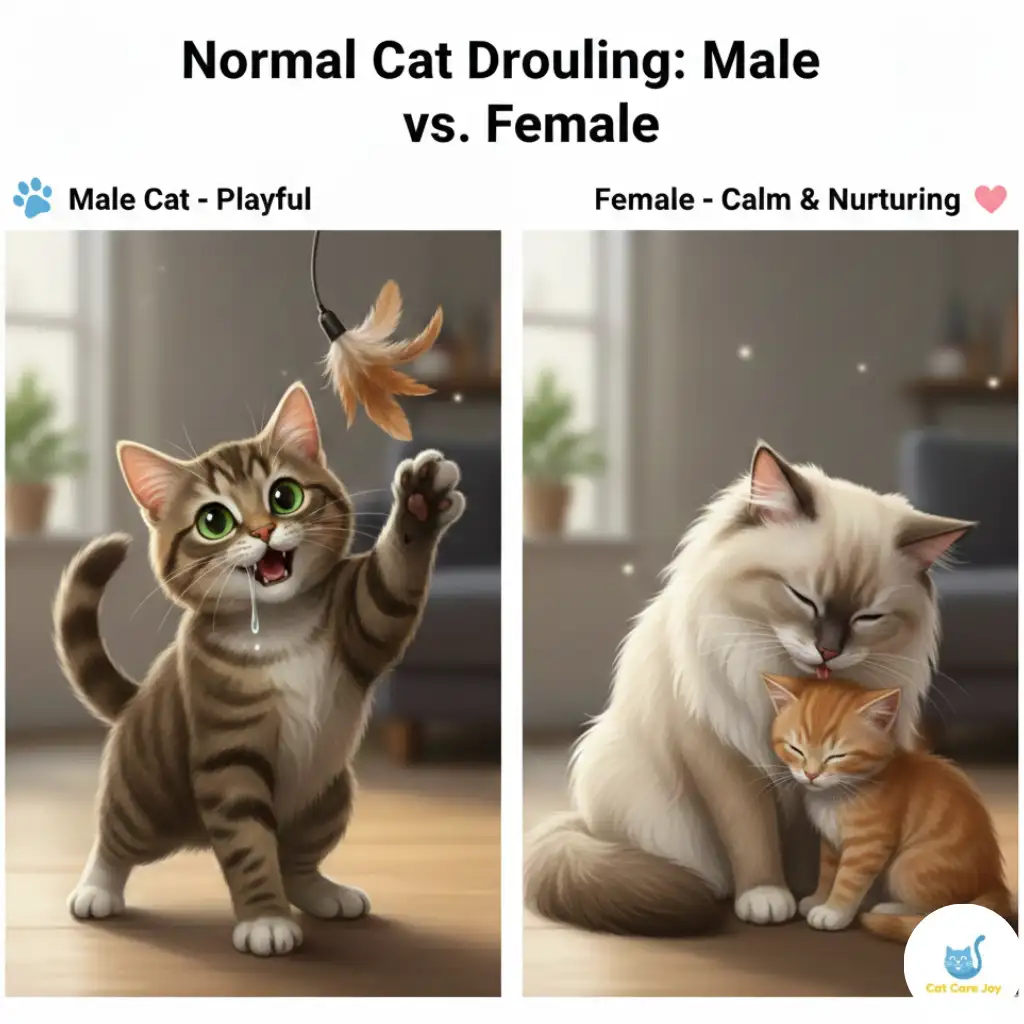
Male and female cats can drool for similar reasons, but hormones, behavior, and stress factors can influence how often it happens.
Male Cat Drooling Excessively but Acting Normal
Male cats are more likely to show drooling linked to behavior and territorial stress.
Common triggers in male cats:
- Marking territory stress
- Aggression or excitement
- Hormonal changes in unneutered males
- Fighting injuries and oral wounds
Unneutered males may also roam and get into fights, increasing the risk of dental trauma and infections.
Key takeaway: Male cats often drool due to stress, excitement, or injuries from territorial behavior.
Female Cat Drooling Excessively but Acting Normal
Female cats may drool excessively due to hormonal cycles and maternal behavior.
Common triggers in female cats:
- Heat cycles causing anxiety and restlessness
- Pregnancy and nesting behavior
- Stress from kittens or environmental changes
- Higher sensitivity to pain or illness
Some female cats drool when extremely affectionate or protective of their owners.
Key takeaway: Female cats may drool due to hormonal changes, stress, or nurturing instincts.
Expert Insight:
Veterinarians recommend neutering/spaying to reduce stress-related drooling and behavioral triggers in both male and female cats.
When Cat Drooling Is an Emergency
While some drooling is harmless, certain symptoms mean your cat needs immediate veterinary care. Acting normal does not always mean your cat is safe, especially if warning signs appear.
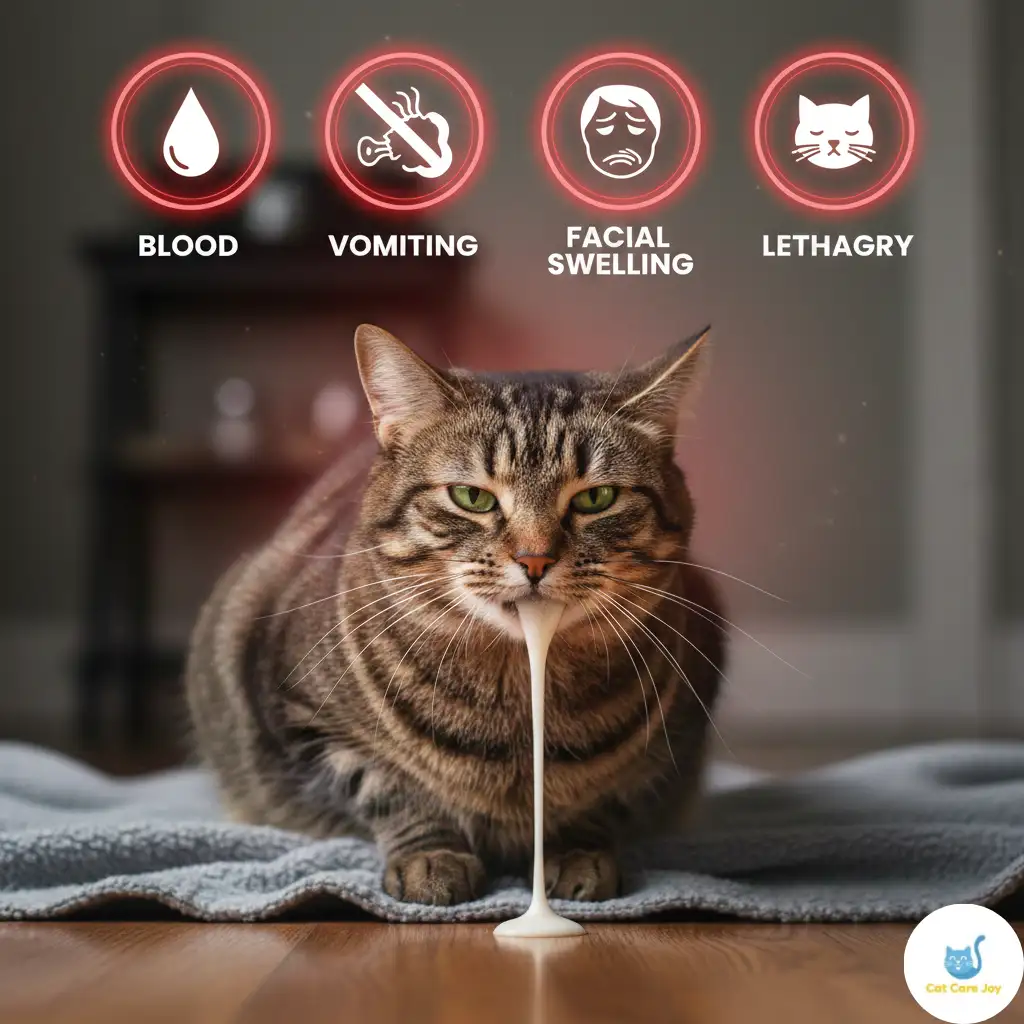
Warning Signs You Should Not Ignore
If your cat is drooling excessively and shows any of the following symptoms, treat it as an emergency:
- Blood in saliva
- May indicate oral injury, tumors, or severe dental disease.
- Bad smell from the mouth
- Often linked to infections, rotten teeth, or mouth ulcers.
- Vomiting
- Can signal poisoning, gastrointestinal problems, or severe nausea.
- Loss of appetite
- Suggests pain, infection, or systemic illness.
- Lethargy or weakness
- Indicates serious illness, dehydration, or heatstroke.
- Facial swelling
- May result from abscesses, allergic reactions, or dental root infections.
These signs often point to medical emergencies that require immediate veterinary attention.
Key takeaway: Excessive drooling with other symptoms is never normal—seek emergency care.
How to Tell If Your Cat Is in Pain
Cats hide pain instinctively, so drooling can be a subtle warning sign.
Pain indicators include:
- Hiding more than usual
- Aggressive behavior when touched
- Reduced grooming
- Changes in eating or drinking
- Grinding teeth or jaw chattering
- Squinting eyes or flattened ears
Even if your cat is acting playful, these subtle signs may indicate oral or internal pain.
What to Do If Your Cat Is Drooling Excessively
If you notice your cat drooling a lot but acting normal, take calm and structured action. Early steps can prevent serious complications.
Step-by-Step Home Care Tips
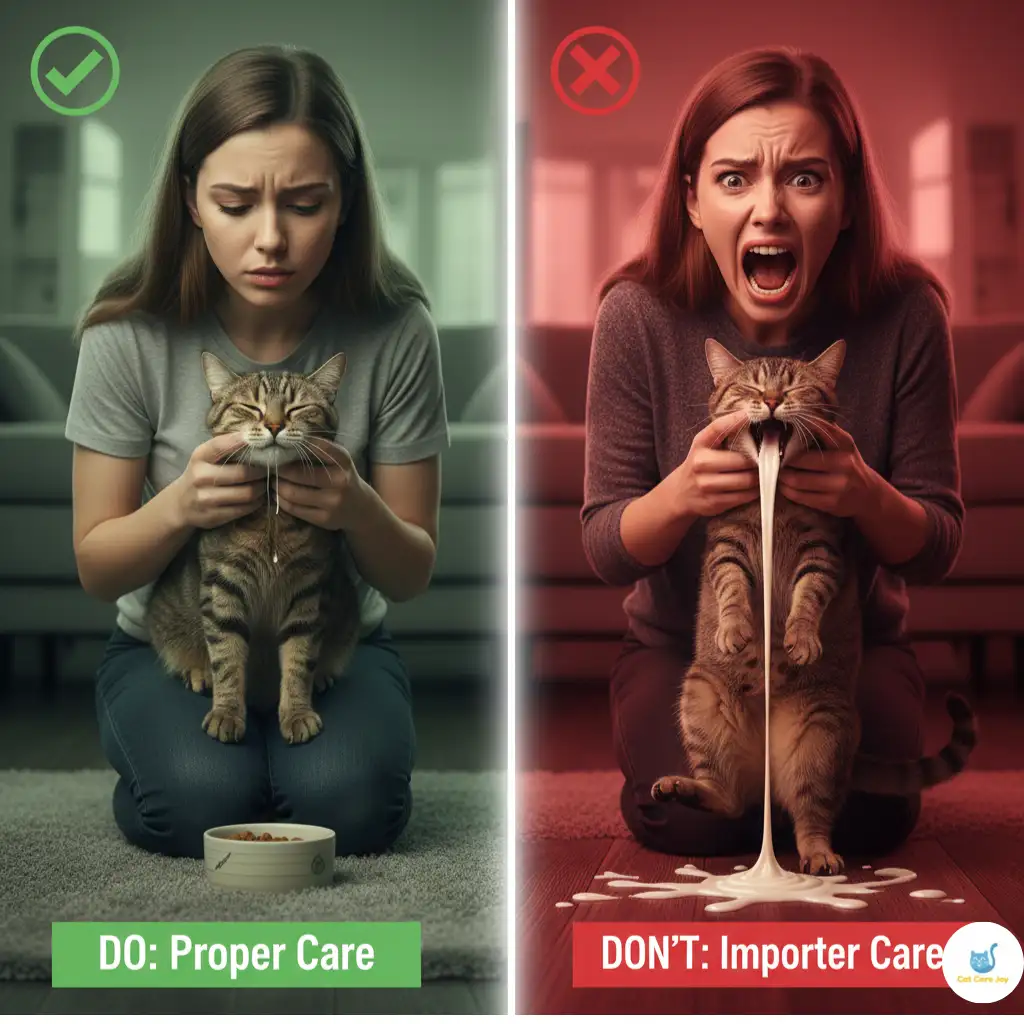
You can take these safe steps at home:
- Check your cat’s mouth for visible injuries, objects, or redness
- Remove toxic plants or chemicals from the environment
- Offer fresh water and monitor hydration
- Keep your cat cool in hot weather
- Note when drooling started and any recent changes (food, meds, stress)
Do not force your cat’s mouth open if they resist—it may cause injury.
Key takeaway: Monitor closely and document symptoms before visiting the vet.
When to Call a Vet
Call your veterinarian if:
- Drooling lasts more than 24 hours
- Symptoms worsen or new symptoms appear
- Your cat stops eating or drinking
- Drooling is sudden and severe
- You suspect toxin ingestion
Featured Snippet Answer:
Take your cat to the vet if drooling is persistent, severe, or accompanied by vomiting, lethargy, or appetite loss.
Key takeaway: Early vet visits can prevent serious health problems.
Safe Transport to Clinic
Transporting a drooling cat safely reduces stress and injury risk.
Tips:
- Use a secure carrier with ventilation
- Place a towel inside for comfort
- Keep the environment quiet and cool
- Avoid feeding before the visit if vomiting is present
Key takeaway: Calm transport helps your cat and vet manage the condition better.
How Veterinarians Diagnose Excessive Drooling
Veterinarians use a structured diagnostic process to find the root cause of excessive drooling in cats.
Physical Exam
The vet will examine:
- Mouth, gums, and teeth
- Jaw alignment and pain response
- Body temperature and hydration
- Overall health and behavior
This step helps identify visible causes like injuries or infections.
Key takeaway: A full physical exam is the first step in diagnosing drooling.
Dental Check
Dental exams are crucial because oral disease is a top cause of excessive drooling.
The vet may check:
- Tartar buildup
- Broken teeth
- Gum inflammation
- Oral tumors or ulcers
Some cats require sedation for a detailed dental exam.
Key takeaway: Dental checks are essential for chronic drooling cases.
Blood Tests and X-Rays
Advanced tests help detect internal problems.
Common diagnostic tools:
- Blood tests to check infections, organ function, toxins
- X-rays to detect tumors, jaw fractures, or foreign objects
- Viral testing for feline diseases
Key takeaway: Lab tests help rule out serious underlying illnesses.
Treatment Options
Treatment depends on the cause of drooling.
Common treatments include:
- Dental cleaning or tooth extraction
- Antibiotics or anti-inflammatory medications
- Fluids for dehydration or heatstroke
- Surgery for tumors or foreign objects
- Detox treatment for poisoning
Early treatment greatly improves recovery chances.
Key takeaway: Proper diagnosis leads to targeted and effective treatment.
How to Prevent Excessive Drooling in Cats
Preventing excessive drooling starts with good daily care, a safe environment, and routine veterinary visits. Many drooling causes are preventable with simple habits.
Dental Hygiene Tips
Dental disease is one of the biggest causes of cat excessive drooling, so oral care is essential.
Expert dental care tips:
- Brush your cat’s teeth 2–3 times per week with cat-safe toothpaste
- Provide dental treats and chew toys
- Use water additives for oral health
- Schedule professional dental cleaning when recommended
Early dental care prevents painful infections and tooth loss.
Key takeaway: Good oral hygiene significantly reduces excessive drooling in cats.
Avoiding Toxic Chemicals
Cats are sensitive to many household chemicals and plants. Even small exposure can cause sudden drooling.
Keep your cat away from:
- Cleaning products and detergents
- Pesticides and insect sprays
- Toxic plants (lilies, aloe, philodendron)
- Human medications
Store chemicals in closed cabinets and use pet-safe products only.
Key takeaway: Toxin exposure is a preventable but dangerous cause of cat drooling.
Healthy Diet
A balanced diet supports dental and overall health.
Feeding tips:
- Use high-quality cat food with real protein
- Avoid sugary treats and table scraps
- Provide crunchy kibble to reduce tartar
- Ensure fresh water at all times
Diet affects teeth, gums, digestion, and saliva production.
Key takeaway: A healthy diet helps prevent drooling linked to dental and digestive issues.
Regular Vet Checkups
Routine vet visits help catch problems early—before drooling becomes severe.
Vet care recommendations:
- Annual health checkups for adult cats
- Twice-yearly visits for senior cats
- Regular dental exams and vaccinations
- Parasite prevention (fleas, worms)
Early diagnosis saves money and prevents serious pain for your cat.
Key takeaway: Regular vet visits are the best long-term prevention strategy.
Conclusion
Cat drooling can be normal, especially during relaxation or purring. But excessive drooling should never be ignored, even if your cat is acting normal.
Monitor your cat closely, check for warning signs, and maintain good dental and overall care. If drooling continues or worsens, a vet visit is always the safest choice.
Remember: Early detection saves your cat from pain and serious health risks.
Also read:
FAQs About Cat Drooling

I love cats and enjoy sharing easy, helpful tips to keep them happy and healthy. On CatCareJoy.com, I provide practical advice for cat owners and celebrate the special bond between people and their cats.